

My Recent Reads
My reading highlights from December-March

Before the Coffee Gets Cold by Toshikazu Kawaguchi
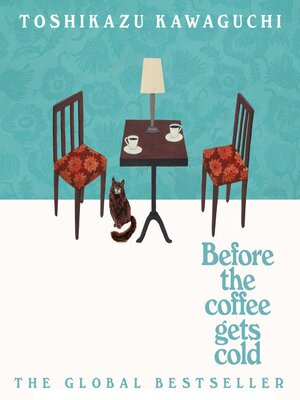
Taking place in a small café with a secret, this is a charming tale of magical realism. We watch the characters use this café’s secret— a seat that lets you travel in time— to get closure and find answers they needed. This conceit ends up creating emotionally resonant stories and relatable characters. This is the first in a series of five books that will undoubtedly continue to grow. After reading the first, I can understand why. It was the perfect, bite-sized dose of charm and feeling.
I recommend Before the Coffee Gets Cold to those who enjoy cozy vibes, BookTok followers who are looking for a gateway into literary fiction, and fans of Japanese fiction.
Rot: An Imperial History of the Irish Potato Famine by Padraic X. Scanlan
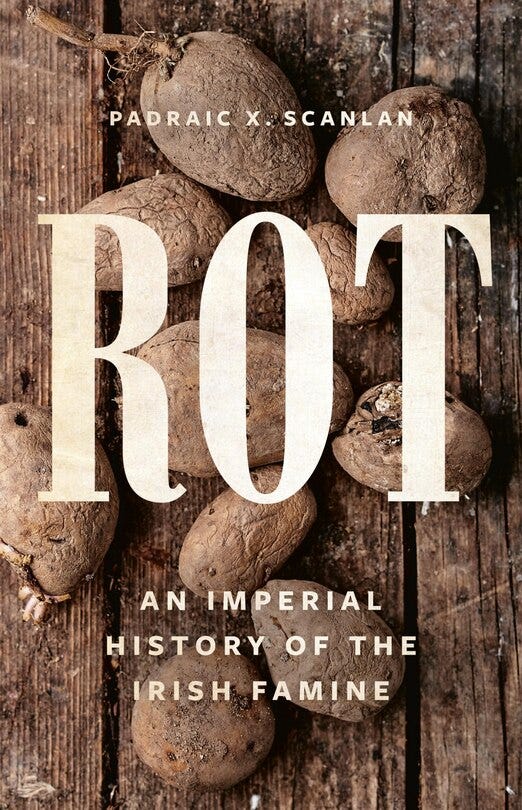
This nonfiction book tells the story of the Irish potato famine from the Irish perspective. In doing so, it is a brutal takedown of the British Empire and its apologists. Even though there are many facts and figures the novel has to get through, it is incredibly readable. Scanlan does a fantastic job weaving the events together as a narrative, which makes the drier aspects easier to digest.
I recommend Rot to alternative history enthusiasts, Americans very proud of their Irish heritage, and anyone who likes potatoes.
The Wife by Meg Wolitzer
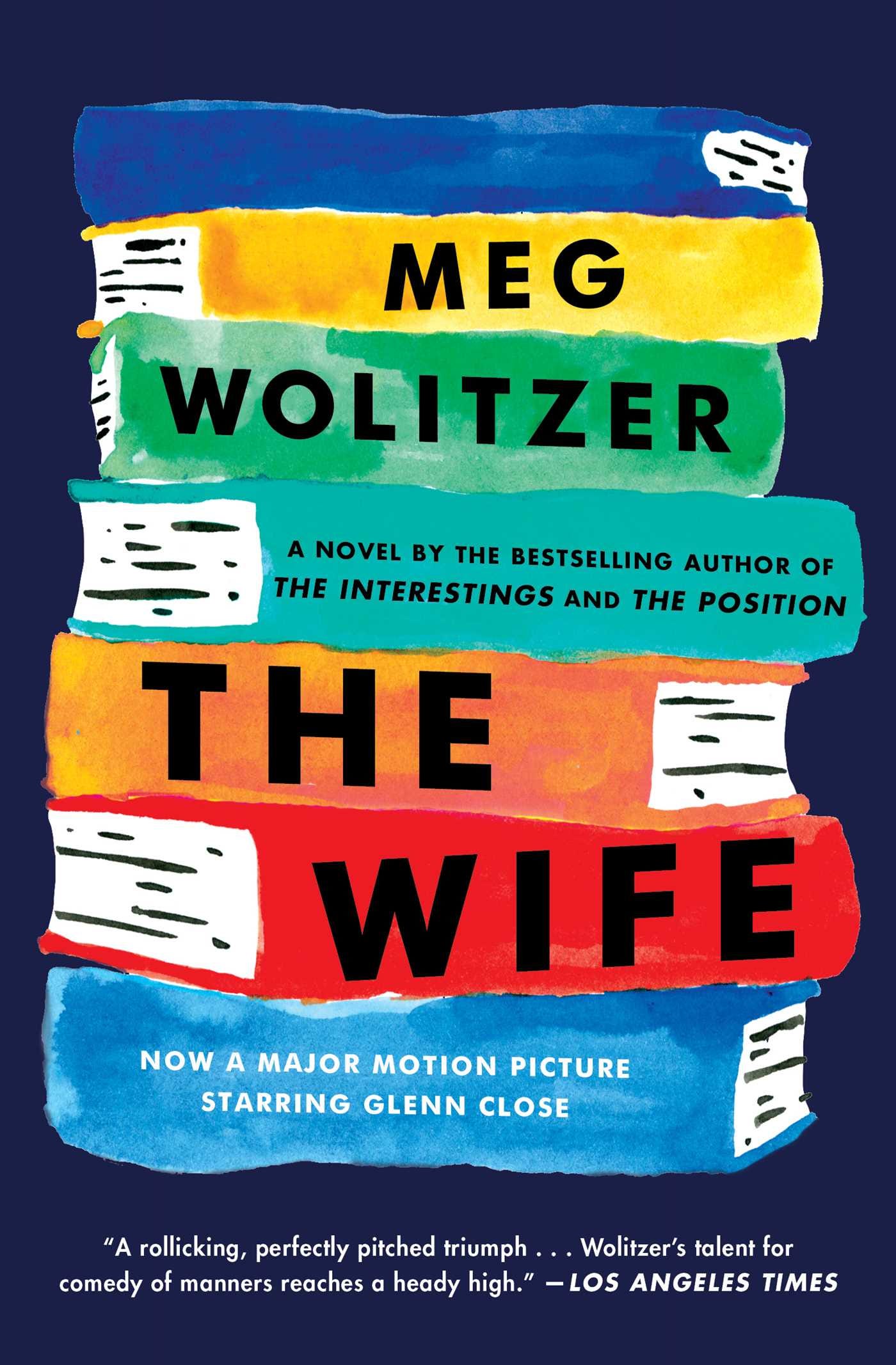
While this novel has a fascinating premise, that is not the most fascinating thing about it. The most fascinating thing is how a novel written by a woman and told from a woman’s perspective could read so precisely as if it was written by a man—and a horny one at that. Our main character realizes suddenly that she wants to leave her husband and begins recounting their long marriage. Wolitzer is clearly attempting some kind of feminist take on marriage and great men, but her points fall flat and overstated. Even the novel’s twist was so glaringly obvious that I predicted it from chapter two.
I recommend The Wife to women with internalized misogyny, men who want to feel like feminist allies, and people who need to fall asleep.
The Insider: Malcolm Cowley and the Triumph of American Literature by Gerald Howard
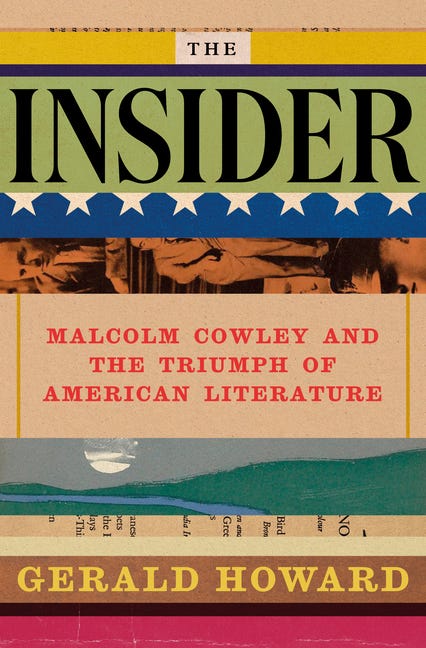
The Insider is a biography-of-sorts following the life of American author, poet, critic, and editor, Malcolm Cowley. While he is lesser-known than his contemporaries, Howard makes the case that he is as important to the 20th century literary landscape as names like John Steinbeck, Ernest Hemingway, and William Faulkner. This case is made well, through extensive research and analysis. It is dense in some parts but so well-written that this can be forgiven. While not for everyone, as someone fascinated with literary history, this was a stellar read.
I recommend The Insider to current or former English majors, fans of modern literature and art, and anyone with a long drive or plane ride coming up.
Light in August by William Faulkner
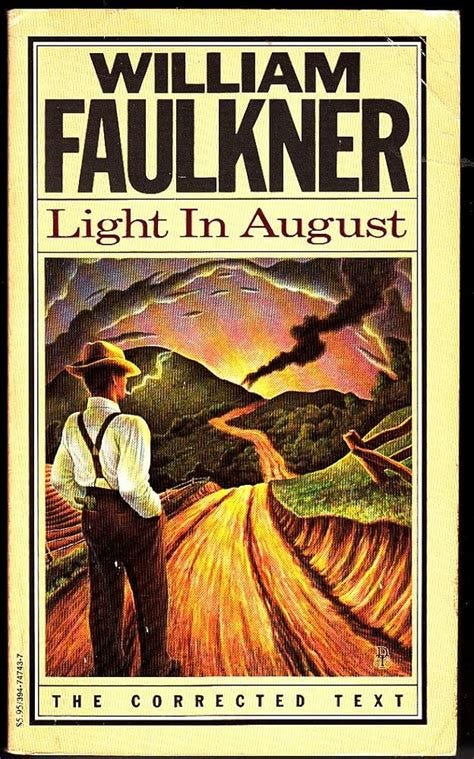
After reading The Insider, it felt necessary to read a modern era classic such as this. Light in August follows the intertwining lives of several people in the small town of Jefferson, Tennessee. Faulkner shows off his ability to create memorable and lived-in characters. From Joe Christmas to Reverend Hightower, the novel is filled with compelling faces who chart an even more compelling story. The novel also deals with some of the most precarious themes: sex, race, and class. While certainly not an enlightened take by current standards, Faulkner creates a realistic picture of these themes from the early 20th century American Southern perspective.
I recommend Light in August to those looking for an approachable classic, those interested in what creates evil, and fans of Percival Everett.
Work: A Story of Experience by Louisa May Alcott
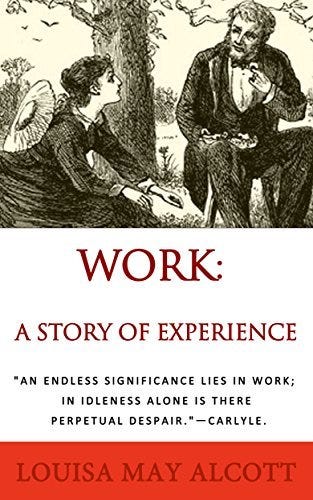
Work starts with a charming premise: a young woman decides to leave her life of leisure with her aunt and uncle to live the life of a working woman in the city. Our heroine arrives in the city bright-eyed and bushy-tailed, excited by all the possibilities, but the excitement wear off eventually. Soon, she is faced with obstacles that thwart her dreams and kill her spirit. This is a similar trajectory to the reader’s experience. The novel starts off charming and exciting but soon becomes monotonous. Once the glamor wears off, the reader is left with a perfectly fine story that lacks emotional weight and narrative propulsion.
I recommend Work to those who like predictability, women who love reading women’s literature, and Louis May Alcott completists.